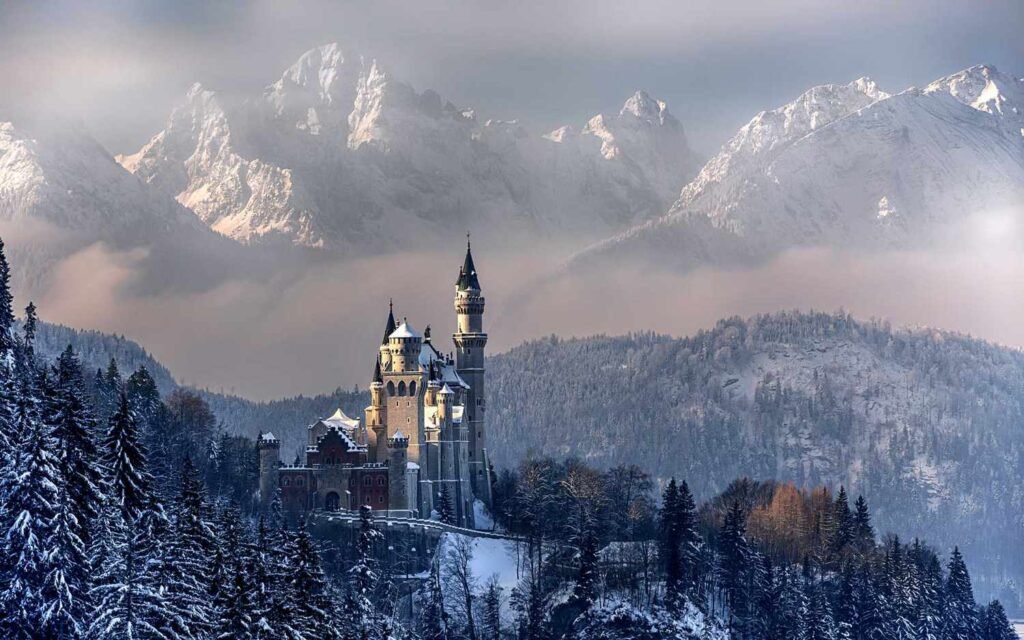
Summer in Europe means fighting for a spot at the Trevi Fountain and paying triple for a hostel bed in Santorini. Winter is a completely different story. Fewer crowds, better prices, and honestly, some cities just look better under snow. If you’re weighing winter destinations Europe wide, here’s where I’d actually send a friend — not just the obvious Christmas market cities everyone mentions.
Why Winter Might Be Europe’s Best Travel Season
Winter travel in Europe isn’t just about tolerating the cold for lower prices. Some experiences — ice skating in front of a centuries-old cathedral, mulled wine at a Bavarian market, the Northern Lights — simply don’t exist any other time of year.
Quick answer: The top winter destinations Europe offers in 2026 are Salzburg (Austria), Tromsø (Norway), Prague (Czech Republic), and Bruges (Belgium) — each combining festive atmosphere with manageable winter logistics for first-time visitors.
Salzburg, Austria — Christmas Market Royalty
Salzburg’s old town looks like it was built specifically for winter. The Christkindlmarkt in front of the cathedral has been running since the 15th century, which is a genuinely wild thing to think about while you’re holding a cup of glühwein.
Beyond the market, Salzburg gives you easy day trips into the Alps for skiing or just snow-walking if skiing isn’t your thing. Hotel prices in December run noticeably lower than the July-August peak — I’ve seen roughly 30-40% drops on comparable rooms.
Tromsø, Norway — Chasing the Northern Lights
If the Northern Lights are on your list, Tromsø is one of the more reliable and accessible places to actually see them. It sits well within the Arctic Circle, and the season for aurora viewing runs roughly September through April.
- Book a guided aurora tour for your first night (higher success rate than DIY)
- Budget 3-4 nights minimum — clouds happen, and you’ll want backup chances
- Try the reindeer sledding excursions if the timing works out
Tromsø isn’t cheap, though — expect Norway-level prices, so budget accordingly.
Prague, Czech Republic — Fairy-Tale City, Winter Edition
Prague under snow is one of those places that photos genuinely undersell. The Old Town Square Christmas market, the castle lit up at night, hot wine at every corner — it delivers on the fairy-tale promise. And unlike Vienna or Paris, Prague remains one of the more affordable major European cities even in peak season.
Quick answer: Prague in December offers the classic European Christmas market experience at roughly half the cost of Vienna or Paris, making it ideal for budget-conscious winter travelers.
Bruges, Belgium — Small, Quiet, and Beautiful
Bruges is compact enough to properly see in two or three days, which makes it a perfect add-on to a bigger Belgium or Netherlands trip. The canals, half-frozen sometimes, paired with the medieval architecture, make for one of the more atmospheric winter walks in Europe. Chocolate shops everywhere don’t hurt either.
Practical Winter Europe Tips
- Layer clothing rather than one heavy coat — buildings are often overheated indoors
- Book indoor attractions (museums, castles) for the coldest days, save walking tours for milder ones
- December 20-January 2 is peak Christmas-market season and books up fast
- Rail passes (Eurail) work especially well in winter since driving in snow adds risk
[link to related guide: Top Island Destinations for a Peaceful Getaway]
What I’d Skip in Winter
Not every European destination is worth it in the cold months. Greek islands, most of Croatia’s coast, and southern Italy’s beach towns basically shut down — half the restaurants close, ferries run less often, and you’ll spend your trip looking for things that are actually open.
FAQ
Is Europe expensive to visit in winter? Actually cheaper than summer in most cases — flights and hotels drop significantly outside the Christmas market peak dates (roughly January through early March).
What should I pack for winter Europe travel? Thermal base layers, a waterproof outer layer, good boots with grip, and a scarf/hat/gloves combo. Layering beats one heavy coat.
Can you see the Northern Lights guaranteed? No sighting is ever guaranteed — it depends on solar activity and clear skies. Tromsø gives you strong odds with multiple nights, not a guarantee.
Which European Christmas market is the best? Salzburg and Prague are consistently ranked among the top for atmosphere, though Nuremberg and Vienna have their own strong followings.
Is it safe to drive in Europe in winter? It depends heavily on the country and region — Alpine roads need snow tires or chains, while flatter regions are usually fine. Trains are generally the safer, less stressful option.
Conclusion
Winter turns Europe into a genuinely different destination — quieter, cheaper, and in some ways more atmospheric than its summer version. Whether you go for Salzburg’s markets, Tromsø’s skies, Prague’s castles, or Bruges’ canals, the trade-off of cold weather for smaller crowds is usually worth it. Pick one region rather than trying to hit all four — winter travel days are shorter, and rushing defeats the point.
Suggested alt text for images:
- “Salzburg Christmas market with cathedral lit up at night”
- “Northern Lights over Tromsø, Norway in winter”
- “Snow-covered Charles Bridge in Prague at dusk”
Route Fit
Match the guide to your timing, mobility, priorities and realistic daily pace.
Proof Check
Recheck current prices, entry rules, operating hours and transport schedules.
Backup Sticker
Keep one alternative for weather, closures, delays or sold-out inventory.
Pack the decision, not just the inspiration.
Use this guide as a planning framework, then confirm live conditions before paying, booking or changing your route.