India intimidates a lot of first-time backpackers, and honestly, I get why. It’s loud, it’s chaotic in places, and the sheer size of the country makes planning feel impossible. But it’s also one of the most rewarding places you can backpack — cheap, culturally rich, and full of genuine surprises. This backpacking India guide is built around what actually matters on the ground, not just a generic checklist.
Is India Hard to Backpack? Honestly, It Depends
Backpacking India isn’t objectively “hard” — it’s different from Southeast Asia’s well-worn backpacker trail, which trips people up if they’re expecting the same ease. Trains can be confusing to book, touts are persistent in tourist areas, and the sensory overload is real, especially in your first week.
Quick answer: India is beginner-friendly for backpacking if you start in an established route like Delhi-Jaipur-Udaipur-Goa, budget around $20-25/day, and give yourself the first few days to adjust before venturing off the beaten path.
Choosing Your First Route
Don’t try to “do India” in one trip — it’s not one country’s worth of ground to cover, it’s more like a continent. For first-timers, I’d genuinely recommend starting in the north.
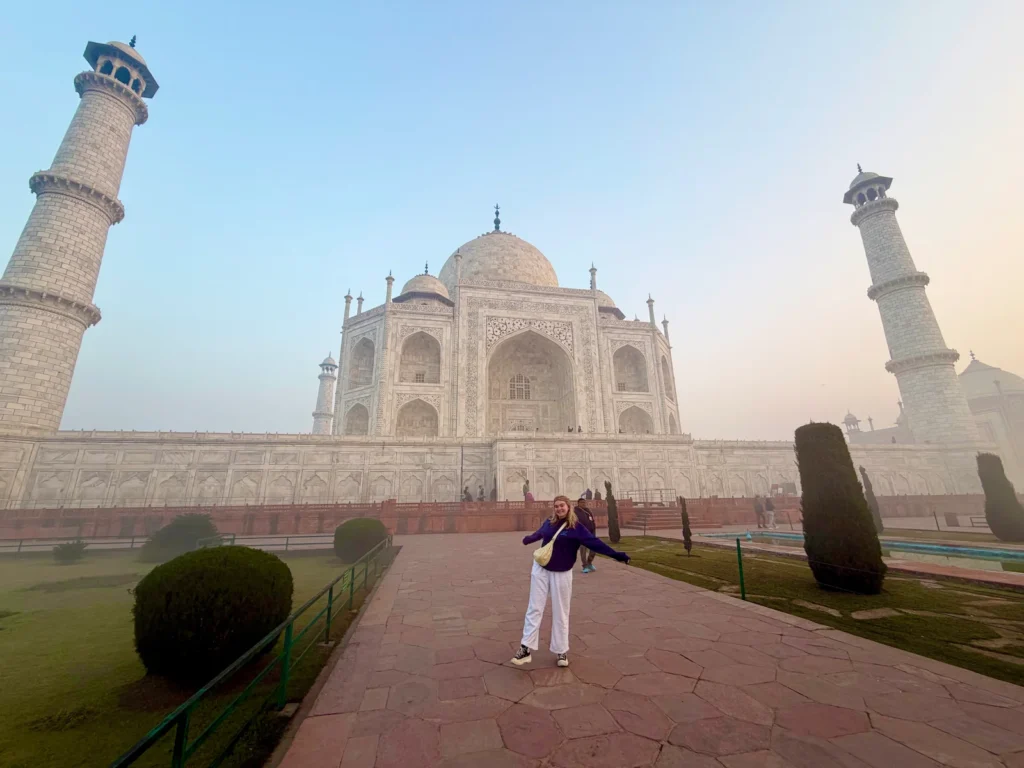
- Golden Triangle + Rajasthan: Delhi → Agra → Jaipur → Udaipur → Jodhpur (3 weeks, manageable pace)
- South India alternative: Chennai → Pondicherry → Madurai → Kochi → Munnar (cooler climate, less touristy)
- Himalayan route: Rishikesh → Manali → Leh (best for adventure-focused backpackers, summer only)
Pick one region properly rather than skimming three. India rewards slowness.
Budgeting for India Backpacking
India remains one of the cheapest countries to backpack anywhere in the world, if you’re smart about it.
- Dorm beds: ₹400-800/night ($5-10)
- Street food meals: ₹50-150 ($0.60-1.80)
- Local trains/buses: ₹100-500 depending on distance
- Overall daily budget: $20-25 comfortably, $15 if you’re strict
Booking Trains — The Part Everyone Struggles With
Quick answer: Book Indian trains through the IRCTC website or app, using Tatkal booking (opens one day before travel) if regular tickets are sold out — a common situation on popular routes.
Trains genuinely are the best way to see India, but the booking system trips up a lot of first-timers. Sleeper class (SL) is the budget option and honestly fine for day trips; for overnight journeys, AC 3-tier (3A) is worth the extra cost for a cleaner, more secure ride.
Safety Tips for Backpacking India
- Solo female travelers should stick to well-reviewed accommodations and avoid isolated areas after dark — standard advice, but especially relevant here
- Always negotiate auto-rickshaw fares before getting in, or insist on the meter
- Drink only bottled or filtered water; avoid ice in smaller towns
- Keep photocopies of your passport and visa separate from the originals
I’ve noticed most safety issues backpackers run into come down to skipping basic precautions rather than India being uniquely dangerous — it’s not.
Dealing with Culture Shock
Picture arriving in Delhi at 4am, stepping out of the airport into a wall of noise, heat, and a dozen taxi drivers shouting for your attention. That’s a real first-day scenario for a lot of travelers, and it’s disorienting. Give yourself permission to retreat to a quiet cafe or your hotel room for a few hours if it gets overwhelming. It gets easier by day three or four, almost universally.
Best Time to Backpack India
- October-March: Best overall weather across most of the country
- April-June: Brutally hot in the plains; better for the Himalayas
- July-September: Monsoon season — beautiful in some regions (Kerala), difficult in others (flooding risk)
[link to related guide: Essential Packing List for International Travel]
What to Pack Specifically for India
Lightweight, modest clothing works best — loose cotton fabrics, a scarf for temple visits, and decent walking sandals. Skip anything too revealing, especially for temple and rural area visits, out of respect for local norms.
FAQ
Is India safe for solo female backpackers? Millions of women travel solo through India every year safely, but it does require more caution than, say, Western Europe — stick to recommended accommodations, dress modestly, and trust your instincts in crowded areas.
How much money do I need for a month backpacking India? Roughly $600-750 for a full month at a comfortable backpacker budget, excluding international flights.
Do I need a visa for India? Most nationalities need an e-Visa, applied for online in advance — processing typically takes a few days.
Is tap water safe to drink in India? No — stick to bottled or properly filtered water throughout your trip, even in nicer hotels.
What’s the best app for backpacking India? IRCTC for trains, Ola/Uber for city transport, and Google Maps for offline navigation (download maps in advance for remote areas).
Conclusion
Backpacking India rewards patience and an open mind more than any other destination I’ve traveled. It’s not always comfortable, and it’s rarely predictable, but that unpredictability is where the best stories come from. Start with one region, budget generously for your first week while you adjust, and don’t try to see everything — India will still be there for a second trip.
Suggested alt text for images:
- “Backpacker walking through a colorful street market in Jaipur”
- “Sleeper class train interior in India”
- “Sunset view over Udaipur’s Lake Pichola”
Route Fit
Match the guide to your timing, mobility, priorities and realistic daily pace.
Proof Check
Recheck current prices, entry rules, operating hours and transport schedules.
Backup Sticker
Keep one alternative for weather, closures, delays or sold-out inventory.
Pack the decision, not just the inspiration.
Use this guide as a planning framework, then confirm live conditions before paying, booking or changing your route.