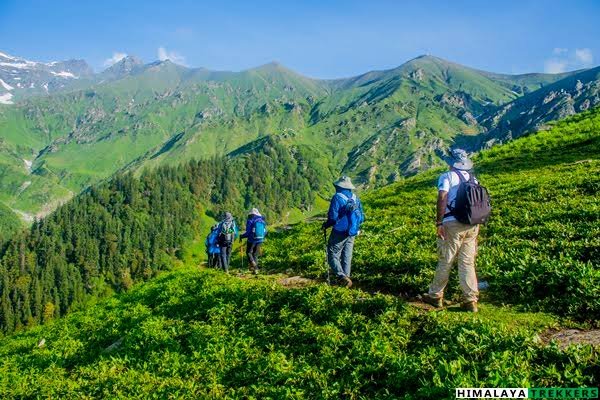
There’s a common assumption that Himalayan trekking is reserved for hardcore mountaineers with years of experience — genuinely not true. A lot of the most rewarding routes are entirely doable for a reasonably fit beginner with no prior high-altitude experience. This guide to Himalayan trekking for beginners covers the routes that actually deliver that classic Himalayan experience without requiring technical climbing skills.
What Makes a Trek “Beginner-Friendly” in the Himalayas
Quick answer: Beginner-friendly Himalayan treks typically stay under 4,000-4,500 meters altitude, follow well-established teahouse routes with regular accommodation, and can be completed in 5-9 days without technical climbing gear.
Altitude, not distance, is usually the limiting factor for beginners. A shorter trek at extreme altitude is often harder than a longer one that stays moderate.
Poon Hill Trek, Nepal — The Classic Starter Route
Poon Hill remains one of the most recommended first Himalayan treks, and for good reason. It tops out around 3,210 meters, takes just 4-5 days round trip from Pokhara, and delivers genuinely stunning sunrise views over the Annapurna range without demanding serious altitude acclimatization.
- Duration: 4-5 days
- Max altitude: 3,210m
- Difficulty: Moderate, well-maintained stone steps throughout
- Best season: October-November, March-April
Kedarkantha Trek, India — A Solid Winter Introduction
Kedarkantha, in Uttarakhand, is one of the more popular beginner treks within India itself, particularly for winter trekking with snow. It reaches about 3,800 meters and takes roughly 6 days.
Quick answer: Kedarkantha works especially well for Indian beginners as a first Himalayan trek because it combines snow trekking (a novel experience for most first-timers), manageable altitude, and good infrastructure with organized trekking groups.
I’ve noticed it’s become something of a rite of passage for first-time Indian trekkers specifically, and the community atmosphere on the trail (lots of first-timers together) makes it genuinely encouraging rather than intimidating.
Everest View Trek, Nepal — A Taste of Everest Without the Full Base Camp Commitment
Not everyone wants to commit to the full 12-14 day Everest Base Camp trek on their first attempt, and that’s completely reasonable. The Everest View Trek gets you genuine views of Everest and the surrounding peaks in about 7-8 days, with a shorter, gentler acclimatization schedule.
- Duration: 7-8 days
- Max altitude: around 3,880m (Everest View Hotel)
- Includes: a scenic flight into Lukla, Sherpa villages, monasteries
Markha Valley Trek, Ladakh, India — Beginner-Friendly High Desert Trekking
Ladakh offers a different Himalayan experience entirely — high-altitude desert rather than lush green trails. Markha Valley is one of the more approachable routes here, roughly 7-9 days, passing through remote villages and dramatic barren landscapes.
Preparing Physically for Your First Himalayan Trek
- Start cardio training (hiking, running, stair climbing) at least 6-8 weeks before departure
- Break in your hiking boots well before the trek — new boots on day one is a recipe for blisters
- Practice with a loaded daypack on training hikes, not just an empty one
- Don’t skip altitude acclimatization days built into the itinerary, even if you feel fine
Altitude Sickness: What Beginners Need to Know
Quick answer: Altitude sickness can affect anyone regardless of fitness level above roughly 2,500-3,000 meters — the best prevention is a gradual ascent, proper hydration, and honestly communicating any symptoms (headache, nausea, dizziness) to your guide immediately rather than pushing through.
[link to related guide: Ultimate Guide to Desert Safari Adventures]
Gear Essentials for Beginner Himalayan Trekking
- Layered clothing system (base, insulating, waterproof shell)
- Broken-in trekking boots with good ankle support
- Trekking poles — genuinely underrated for knee protection on descents
- A good sleeping bag rated for the specific season and altitude of your route
FAQ
Do I need prior trekking experience for beginner Himalayan routes? No — routes like Poon Hill and Kedarkantha are specifically suited for first-time trekkers with reasonable general fitness, no technical mountaineering skills required.
What’s the easiest Himalayan trek for a complete beginner? Poon Hill in Nepal is widely considered the most accessible, with well-maintained trails, established teahouses, and moderate altitude.
How fit do I need to be for a beginner Himalayan trek? Being able to comfortably walk 5-6 hours a day on varied terrain is a reasonable baseline — regular cardio training beforehand makes a significant difference.
Is altitude sickness a serious risk for beginner treks? It can be, even on beginner routes, if ascent is too rapid — sticking to itineraries with built-in acclimatization days significantly reduces risk.
What’s the best season for beginner Himalayan trekking? October-November and March-April generally offer the clearest skies and most stable weather across most popular routes.
Conclusion
Himalayan trekking for beginners doesn’t require years of mountaineering experience — it requires picking the right route, respecting altitude, and putting in some basic physical preparation beforehand. Poon Hill, Kedarkantha, the Everest View Trek, and Markha Valley all deliver a genuine taste of the Himalayas without demanding technical skills. Start with one of these, and you’ll likely be planning your second, more ambitious trek before you’re even back home.
Suggested alt text for images:
- “Sunrise view over Annapurna range from Poon Hill”
- “Snow-covered trekking trail on Kedarkantha, Uttarakhand”
- “Trekker with backpack walking through Himalayan mountain village”
Route Fit
Match the guide to your timing, mobility, priorities and realistic daily pace.
Proof Check
Recheck current prices, entry rules, operating hours and transport schedules.
Backup Sticker
Keep one alternative for weather, closures, delays or sold-out inventory.
Pack the decision, not just the inspiration.
Use this guide as a planning framework, then confirm live conditions before paying, booking or changing your route.