There’s something genuinely disorienting about standing in the middle of a desert at sunset, dunes stretching in every direction, the temperature dropping fast as the sky turns orange. If that’s not already on your travel list, it probably should be. This desert safari guide covers what actually goes into planning a proper desert adventure, from choosing your destination to knowing what to actually expect once you’re out there.
Choosing Your Desert Safari Destination
Quick answer: The most popular and well-developed desert safari destinations are Dubai’s Arabian Desert (UAE), Jaisalmer’s Thar Desert (India), Merzouga’s Sahara (Morocco), and Wadi Rum (Jordan) — each offering a distinct landscape and cultural experience.
- Dubai/Arabian Desert: most infrastructure, easiest logistics, best for shorter trips
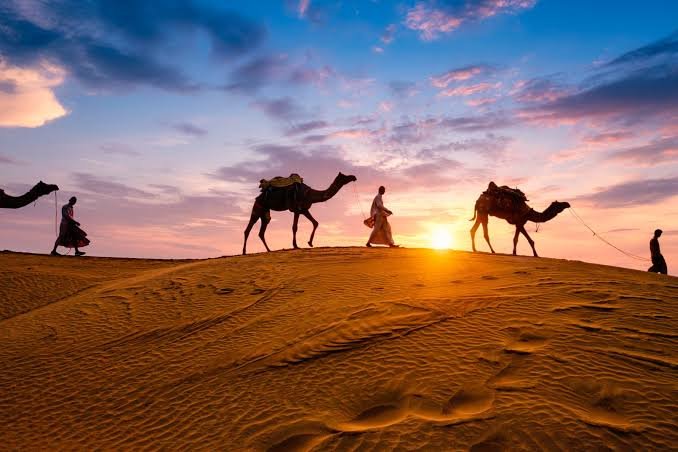
- Jaisalmer/Thar Desert: strong cultural immersion, camel safaris, folk music camps
- Merzouga/Sahara: dramatic orange dunes, overnight Berber camps
- Wadi Rum: otherworldly rock formations alongside sand, minimal light pollution for stargazing
What Actually Happens on a Desert Safari
A typical desert safari combines several elements, though the exact mix varies by destination:
- Dune bashing: off-road driving over steep dunes in a 4×4 — genuinely thrilling, not for anyone prone to motion sickness
- Camel riding: slower-paced, more traditional, good for photos and a calmer experience
- Sandboarding: essentially snowboarding on sand dunes, surprisingly fun for a short activity
- Overnight camping: desert camps with traditional food, music, and stargazing away from city light pollution
Dune Bashing: What to Actually Expect
Quick answer: Dune bashing involves an experienced driver navigating steep sand dunes at speed, creating a rollercoaster-like sensation — it’s generally safe with reputable operators but can cause motion sickness, so avoid a heavy meal beforehand if you’re prone to it.
I’ve noticed a lot of first-timers underestimate how intense this actually feels — it’s not a gentle sand drive, it’s genuinely closer to an off-road rollercoaster. Worth knowing going in.
Overnight Desert Camping: Is It Worth the Extra Cost?
Genuinely, yes, in most cases. A day-trip desert safari gives you the activities, but an overnight stay adds the actual magic — sunset over the dunes, a clear night sky almost impossible to see from any city, and sunrise before the heat sets in.
- Desert temperatures drop significantly at night, even in hot destinations — pack a layer
- Traditional entertainment (folk dancing, live music) is common at most organized camps
- Star-gazing conditions in remote deserts rank among the best anywhere in the world due to minimal light pollution
Choosing a Reputable Desert Safari Operator
- Check recent reviews specifically mentioning driver experience and vehicle condition
- Confirm exactly what’s included (meals, activities, transport) before booking — pricing structures vary widely
- Avoid the cheapest option by a significant margin — desert safety depends heavily on experienced drivers and well-maintained vehicles
[link to related guide: Best Trekking Routes for Beginners in the Himalayas]
Health and Safety Considerations
- Sun protection is critical even during shorter daytime activities — desert sun reflects off sand intensely
- Stay hydrated well beyond what feels necessary; desert dryness masks how much fluid you’re actually losing
- Motion sickness medication is worth having on hand if you’re doing dune bashing and know you’re prone to it
- Follow your guide’s instructions closely, especially around sandboarding and dune bashing safety protocols
FAQ
Is desert safari dangerous? With reputable operators and experienced drivers, desert safaris have a strong safety record — risks increase significantly with budget/unlicensed operators, so choosing carefully matters.
What should I wear on a desert safari? Loose, breathable, light-colored clothing for daytime; a warmer layer for evening/overnight temperature drops; closed shoes are better than sandals for sand and potential activities.
Is dune bashing safe for children or pregnant women? Most operators restrict dune bashing for pregnant women and very young children due to the intense, jarring motion — check specific age/health restrictions before booking.
How much does a desert safari typically cost? It varies widely by destination and inclusions — roughly $50-80 for a standard evening safari in Dubai, though overnight camps and premium experiences run higher.
Which desert safari destination is best for stargazing? Wadi Rum in Jordan and the Sahara near Merzouga are both frequently cited as among the best, due to minimal light pollution and consistently clear night skies.
Conclusion
A good desert safari guide should leave you excited rather than intimidated, and honestly, that’s exactly what these trips deliver once you’re actually out there. Whether it’s Dubai’s accessible dune-bashing circuit, Jaisalmer’s camel-and-culture combination, or the Sahara’s dramatic overnight camps, the desert has a way of making you feel genuinely small in a good way. Book an overnight stay if your itinerary allows it — the daytime activities are fun, but the desert night sky is the part people remember years later.
Suggested alt text for images:
- “4×4 vehicle dune bashing over red sand dunes at sunset”
- “Camel caravan crossing the desert at golden hour”
- “Desert camp with traditional tents under a starry night sky”
Route Fit
Match the guide to your timing, mobility, priorities and realistic daily pace.
Proof Check
Recheck current prices, entry rules, operating hours and transport schedules.
Backup Sticker
Keep one alternative for weather, closures, delays or sold-out inventory.
Pack the decision, not just the inspiration.
Use this guide as a planning framework, then confirm live conditions before paying, booking or changing your route.