There’s a particular kind of tiredness that sleep alone doesn’t always fix. You know the feeling. You’ve had a busy week, your phone has been buzzing since breakfast, and even when you finally sit down, your mind is still running through tomorrow’s tasks.
That’s when a change of scenery can do something surprisingly useful.
A lakeside getaway, for example, doesn’t ask much from you. You can walk near the water, sit outside with coffee, explore the surrounding area or simply stare across the lake for a while. There’s no pressure to make every minute productive. In fact, doing less is often the whole point.
The right accommodation makes that experience even better. Instead of treating your lodging as somewhere to crash at night, choose a place that encourages you to enjoy the destination from the moment you wake up.
Start With the Setting
Location is one of those travel decisions that looks simple on paper and becomes important once you arrive.
A beautiful room can still feel disappointing if it’s far from everything you wanted to experience. On the other hand, a modest property in a peaceful setting can become the highlight of the trip.
Think about what you actually want to see and do. If you’re hoping for quiet mornings, look for accommodation away from busy roads and crowded commercial areas. If outdoor activities are important, check how easily you can reach trails, boating areas, parks or other recreational spots.
And don’t underestimate the value of a good view.
There’s a big difference between waking up and immediately seeing another building outside your window versus opening the curtains to trees, open sky or calm water. It changes the mood before the day has even started.
Comfort Matters More Than Flash
Travelers sometimes assume that a memorable stay has to be luxurious. Not really.
Comfort is usually more important than extravagance. A clean space, a comfortable bed, a functional kitchen or bathroom, reliable heating and cooling, and somewhere pleasant to sit can matter more than a long list of fancy extras.
This is particularly true when you’re planning to spend several days in one place.
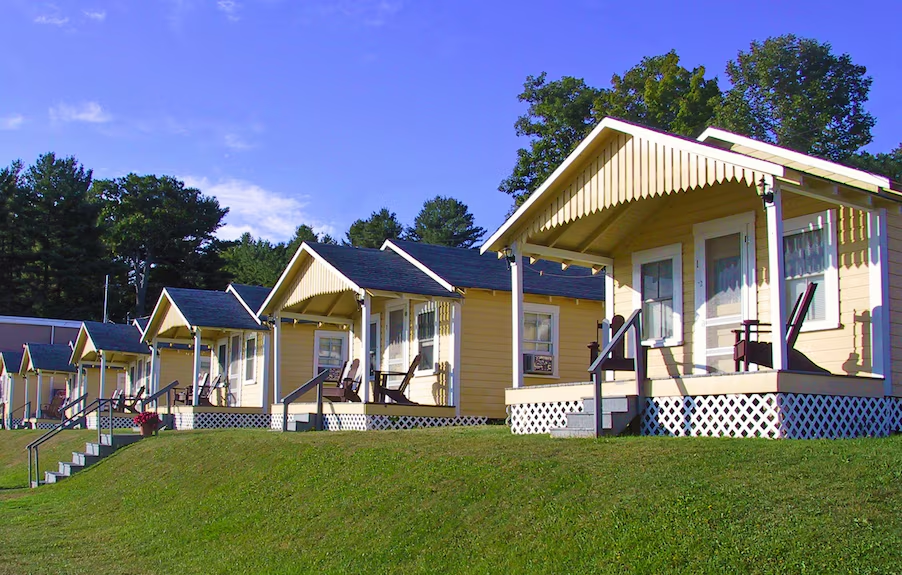
Recently updated renovated cabins can be an interesting middle ground. They can preserve the cozy character people love about cabin stays while adding practical improvements that make modern travel easier. Updated kitchens, refreshed bathrooms, better lighting and comfortable living areas can turn a rustic stay into something that feels both charming and convenient.
The best accommodations don’t necessarily shout about their features. They simply make you feel comfortable.
Give Yourself Time Near the Water
Water has a strange ability to make people slow down.
Maybe it’s the sound of small waves reaching the shore. Maybe it’s the way light changes across the surface in the afternoon. Whatever the reason, being near a lake often creates an easy rhythm that busy travelers rarely get at home.
This is where waterfront lounging becomes more than just a pleasant travel phrase. Having a comfortable place near the water gives you permission to pause without needing an activity attached to it.
Bring a book. Have a drink. Talk with your travel companions. Watch the sunset. Or sit there doing nothing, which, after a hectic few weeks, can feel remarkably productive.
Families can enjoy this kind of downtime too. Children may want to explore the shoreline while adults sit nearby. Couples can enjoy a quieter evening together. Solo travelers can have a little uninterrupted space.
Not every vacation memory comes from an attraction.
Some come from sitting quietly in the right place.
Plan a Few Activities, Not Twenty
A common travel mistake is trying to squeeze too much into a short stay.
It starts innocently enough. You find a hiking trail, a local restaurant, a historic attraction, a scenic viewpoint and a boating opportunity. Soon you’ve created a schedule that would make a project manager nervous.
Leave some gaps.
Choose two or three activities that genuinely interest you and allow the rest of the day to unfold naturally. If the weather changes, you won’t feel like the entire itinerary has fallen apart.
Outdoor destinations are especially good for this style of travel. A morning walk might take longer than expected. You may find a quiet viewpoint and decide to stay. Someone in your group may want another cup of coffee before heading out.
That flexibility is part of the fun.
Think About Who You’re Traveling With
The perfect getaway looks different depending on who’s coming along.
For couples, privacy and atmosphere may be high on the list. Families might need more sleeping space, cooking facilities and room for children to move around. Friends traveling together may care about shared living areas where everyone can hang out comfortably.
Before booking, talk about expectations.
One person might imagine spending the weekend outdoors while another is dreaming about reading beside the water. Neither person is wrong. A good destination simply gives everyone enough options.
This is another reason accommodation with usable common spaces can be valuable. You can spend time together without having to be on the go constantly.
Don’t Ignore the Small Practical Details
Travel planning isn’t glamorous, but practical details can save you from unnecessary headaches.
Check the property’s check-in process, parking arrangements, available amenities and cancellation policies. If you’re staying somewhere more remote, find out how close the nearest grocery store and restaurants are. It may be worth picking up essentials before arriving.
Weather deserves attention as well.
A sunny forecast can turn quickly in some outdoor destinations. Pack layers, comfortable footwear and anything you’ll need for changing conditions. If you plan to spend time near the water, towels, sunscreen and suitable outdoor clothing are obvious but easily forgotten.
A little preparation leaves more room for relaxation once you’re there.
Look for an Experience, Not Just a Booking
There are plenty of places to stay, but the ones people remember usually have something beyond four walls and a bed.
That might be a peaceful setting, a welcoming atmosphere, convenient access to outdoor activities or simply the feeling that you can settle in without constantly watching the clock.
Properties such as halfmoon resorts can appeal to travelers who want that combination of comfort and a natural setting. The important thing is to look beyond promotional language and consider whether the actual environment matches the kind of break you want.
Read the details carefully. Look at recent guest feedback. Consider the location. Think about how you’ll spend an ordinary morning there, not just the exciting moments you have planned.
That’s often the better test.
Let the Trip Be a Little Unstructured
Perhaps the best advice for a relaxing getaway is also the easiest to ignore: don’t overdo it.
You don’t need to wake up early every day. You don’t need to photograph every viewpoint. You don’t need to visit every attraction within driving distance.
Let yourself have an afternoon with no plan.
Let breakfast run long. Take the scenic route. Sit by the water until you realize you’ve lost track of time. Those unscheduled moments may end up being the parts you remember most clearly.
A good getaway isn’t necessarily about escaping life completely. That’s not realistic, anyway. It’s about creating enough distance from the usual routine to see things differently.
And when you return home, hopefully a little rested, you might notice that the quiet followed you back — at least for a while. Sometimes that’s all a vacation really needs to accomplish.
Route Fit
Match the guide to your timing, mobility, priorities and realistic daily pace.
Proof Check
Recheck current prices, entry rules, operating hours and transport schedules.
Backup Sticker
Keep one alternative for weather, closures, delays or sold-out inventory.
Pack the decision, not just the inspiration.
Use this guide as a planning framework, then confirm live conditions before paying, booking or changing your route.